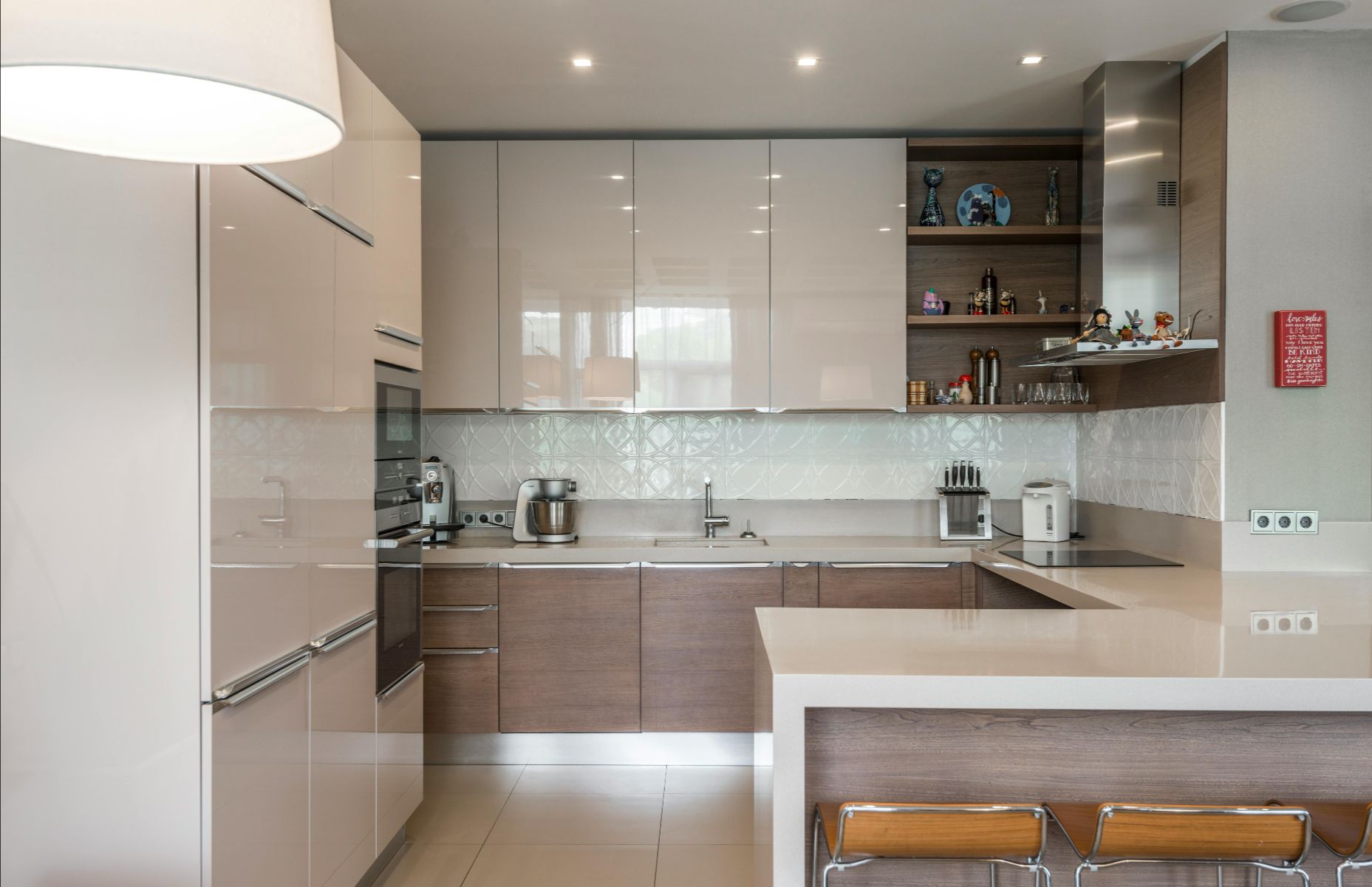
Choosing tile flooring for your kitchen can feel overwhelming. So many styles. So many materials. And when it comes down to ceramic or porcelain tile, most homeowners are not sure which one truly fits their space, their lifestyle, or their long-term plans. If you want floors that look good, stay strong, and withstand everyday life, then understanding the differences between these two tile types is key. Let’s break it down in a simple way that helps you choose with confidence.
Understanding ceramic tile
Ceramic tile is a long-trusted option for kitchens everywhere. It is made from clay, heated at moderate temperatures, and finished with a durable surface glaze. That glaze creates the color and pattern you see, and it also protects the tile from stains and scratches.
Ceramic tile stands out for its design versatility. You can find it in classic stone looks, clean solid colors, or bold patterns. If you enjoy switching up design ideas or want a wide range of choices, ceramic often gives you more options at a lower cost.
Ceramic tiles are slightly softer than porcelain, which makes them easier to cut during installation. That can help reduce labor time. It also makes ceramic a great pick for kitchen walls and backsplashes because contractors can shape it quickly to fit outlets or custom layouts.
Still, ceramic tile is not as dense as porcelain. That means it absorbs a bit more moisture. In most kitchens, this is fine, but it is something to keep in mind if your family spills often or if your kitchen connects to an exterior door where water may track in.
Understanding porcelain tile
Porcelain tile is the stronger, denser sibling in the tile world. It is fired at higher temperatures and made from more refined clay. The result is a tile that is harder, more durable, and much less porous. If you want flooring that handles heavy use, daily cooking, pets, or kids, porcelain is one of the toughest options you can put in a kitchen.
Due to its density, porcelain resists scratches, stains, and moisture more effectively than ceramic. Many porcelain tiles have through-body color, meaning the color runs all the way through the tile. If you ever chip one, the damage is much less noticeable.
Porcelain tile tends to cost more upfront. It is also harder to cut, which can increase installation time. However, the payoff is long-term durability. For kitchens that need maximum strength, porcelain usually comes out ahead.
Key differences between ceramic and porcelain tile
When you compare them side by side, the differences become much clearer.
Water resistance: Porcelain tile absorbs far less water. If your kitchen sees spills, splashes, or high humidity, porcelain handles moisture better.
Strength and durability: Porcelain tile is harder and less likely to chip or crack. Busy kitchens often benefit most from porcelain floors.
Style range: Ceramic tile offers a larger range of colors and styles at lower prices. If you love design freedom, ceramic gives you room to experiment.
Installation: Ceramic tile is easier to cut, which can speed up the installation process. Porcelain requires stronger tools and more time.
Budget: Ceramic tile is more budget-friendly. Porcelain tile usually costs more but delivers better long-term performance.
Which tile is best for your kitchen?
The right tile flooring depends on your lifestyle, budget, and the level of activity your kitchen experiences each day.
Choose ceramic tile if you want:
A wide range of styles
A budget-conscious option
A material that works well on floors, walls, and backsplashes
Something easier to install and customize
Choose porcelain tile if you want:
Maximum strength and durability
Floors that handle moisture, spills, and heavy use
Tile that lasts for many years with low maintenance
Premium options that look like stone or wood
If you have an active home with lots of foot traffic, porcelain is usually the better long-term choice. If your kitchen is more for gathering and light cooking, ceramic can serve your needs just fine while keeping costs lower.
How we help you choose the right tile
Our team treats every kitchen project as a unique one. We listen to how you use your home, what design styles you love, and what kind of durability you need. Then we help you compare tile samples side by side so you can actually see and feel the difference between ceramic and porcelain.
We guide you through selecting colors, patterns, and finishes. We talk through maintenance expectations so you know exactly what to expect from your tile in real life. And if you need installation, our licensed professionals handle every detail with precision.
Contact our tile store in San Antonio or Rockwall, TX
Choosing the right kitchen tile flooring should feel exciting, not stressful. When you visit CW Floors and Lighting, you can explore both ceramic and porcelain tile options with expert support. Whether you want something stylish, durable, or budget-friendly, we have the perfect tile waiting for your home. Our tile stores in San Antonio and Rockwall, TX, serve San Antonio, Denton, Rockwall, Dallas, and Fort Worth, TX. Get in touch with us today!