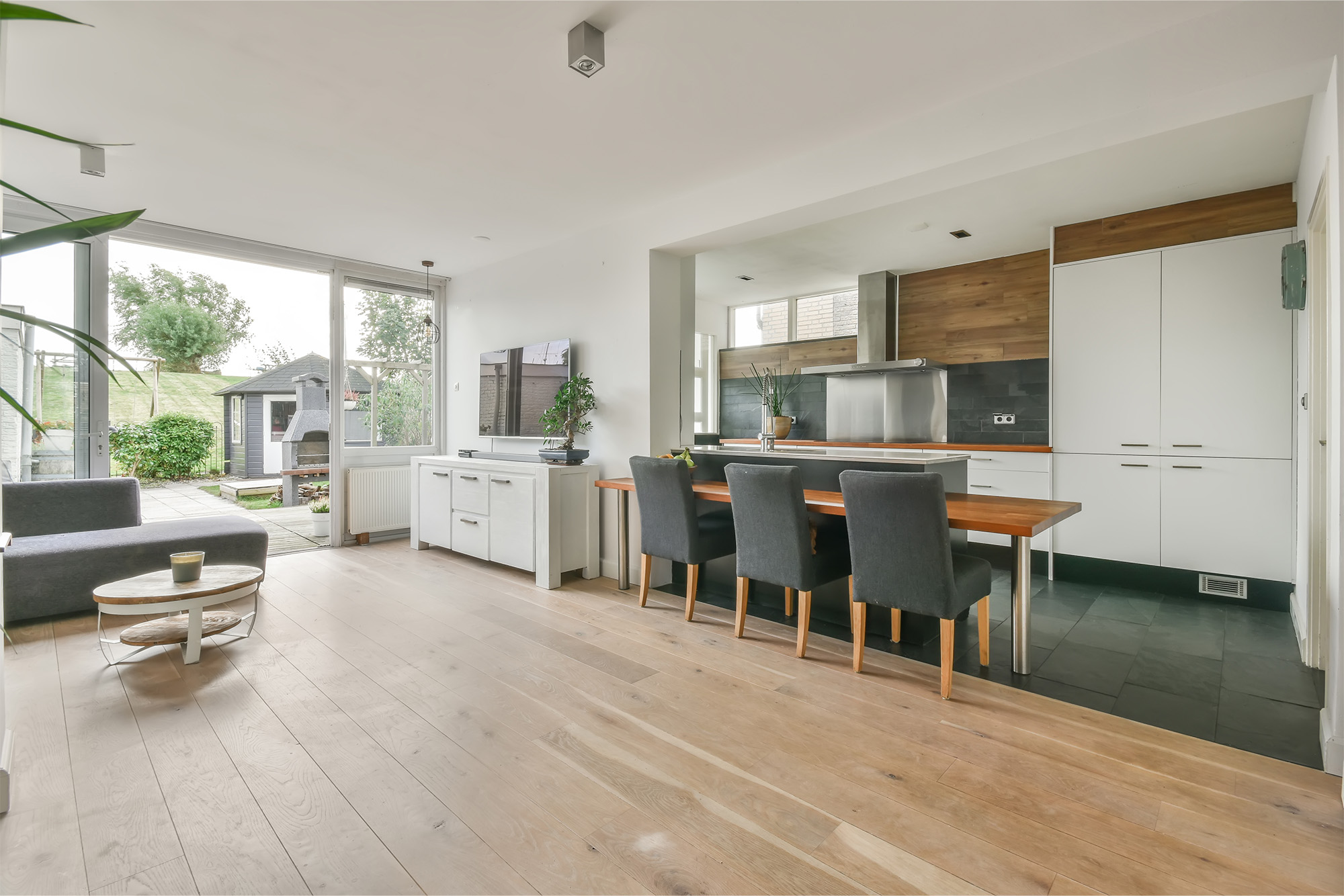
When designing or updating a living space, floor selection and lighting arrangements are often treated as separate design decisions. However, these two elements are intrinsically linked. The way light reflects, absorbs, or bounces off a surface determines the overall depth, color tone, and mood of any room. A dark hardwood floor can look dramatically sophisticated under warm, focused task lighting, while a light porcelain tile can make a small room feel twice as large when illuminated by ambient overhead fixtures. Understanding how surface textures and illumination interact allows you to make cohesive home design choices that bring out the best in both investments.
The Role of Light Absorption and Surface Reflectivity
Every flooring material reacts differently to light depending on its finish, sheen, and color. High-gloss finishes, such as polished marble or glazed ceramic tile, reflect both natural sunlight and artificial light sources. While this brightens dark hallways or compact bathrooms, excessive reflection can create harsh glare if overhead fixtures are placed incorrectly.
Conversely, matte finishes, hand-scraped engineered hardwood, and textured luxury vinyl planks tend to absorb light, creating a softer and more diffused look. When working with darker wood tones or matte surfaces, layering your light sources is essential to ensure the space doesn't feel overly dim or enclosed.
Creating Depth with Three-Tiered Lighting
To complement your interior finishes, professional designers utilize three core layers of lighting:
Ambient Lighting: The base layer of illumination, typically provided by recessed lights, large flush-mounts, or ceiling fans with integrated light kits.
Task Lighting: Focused lighting designed for specific activities, such as under-cabinet LEDs for kitchen counters or pendant lights over a kitchen island.
Accent Lighting: Decorative lighting that highlights architectural features, wall art, or unique floor patterns, such as directional spotlights or wall sconces.
When these three layers are balanced, they accentuate the natural grain of real wood, highlight the subtle grout lines of patterned tile, and showcase the rich textures of plush carpet. Discovering the ideal combination of fixtures and surface materials comes down to expert guidance and local industry experience. To learn more about our history, our values, and our commitment to high-quality interior solutions, read more about us and our regional roots.
Matching Light Color Temperatures to Floor Tones
Color temperature, measured in Kelvins (K), plays a critical role in how your floors look in real life:
Warm Light (2700K - 3000K): Enhances warm wood species like oak, walnut, and cherry, making living rooms and master bedrooms feel cozy and inviting.
Neutral Light (3500K - 4000K): Ideal for kitchens and home offices, providing accurate color rendering for cool gray tiles, luxury vinyl planks, and white-washed oak.
Cool Light (5000K+): Simulates daylight, best suited for utility spaces, garages, or high-detail craft areas.
Ready to see how different lighting fixtures interact with various flooring samples under real store conditions? Our team is standing by to help you pair the ideal surfaces with beautiful fixtures. Stop by one of our showrooms by exploring the CW Floors & Lighting locations directory to schedule your design consultation today!